Ice Hockey Stick Explained: Parts, Flex, Curve and How to Choose One
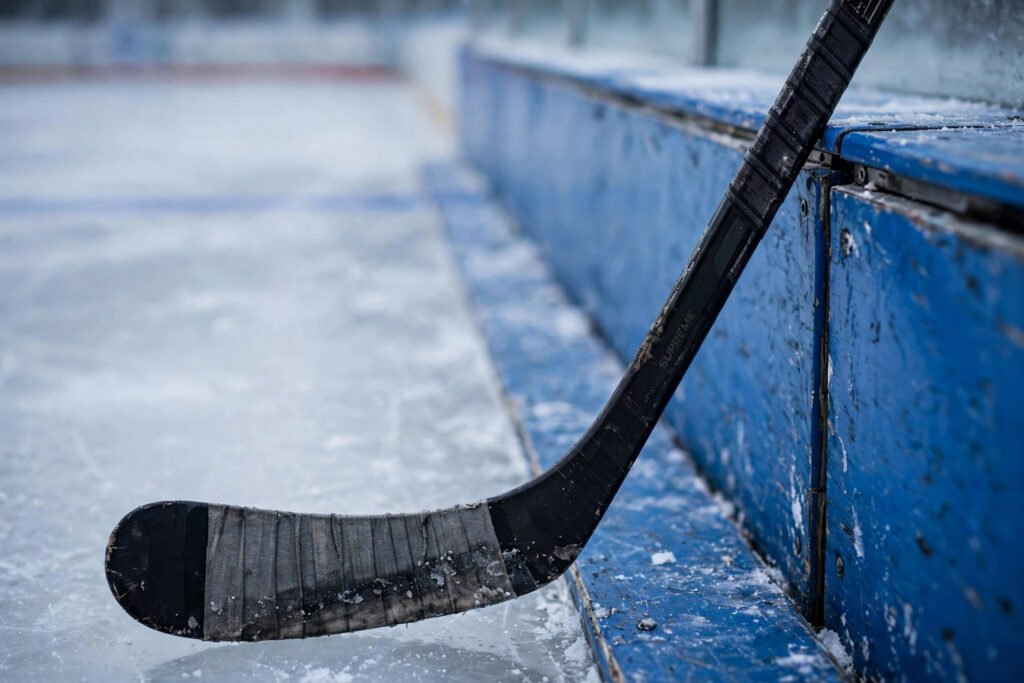
An ice hockey stick is the main tool of the game. It helps a player control the puck, pass accurately, shoot with power, and protect the puck from opponents. A good choice feels like an extension of the arms; a poor choice can feel heavy, awkward, or hard to control.
This guide explains an ice hockey stick in plain terms: its parts, flex and curve, how position and level affect the choice, and how to look after a stick. For a broader look at sticks in general, see the related guide Sticks for Hockey Guide 2026.
The main parts of an ice hockey stick
An ice hockey stick has three main parts: the shaft, the blade, and the join between them. Most differences between sticks come down to how these parts are shaped and how stiff they feel.
The shaft
The shaft is the long handle, held with both hands, that transfers power from the body to the blade. Shafts vary in shape, some feeling rounder and others squarer in the hands. Neither shape is right for everyone; the best test is comfort, without forcing the hands into an awkward grip.
Length also matters. A stick that is too long can be hard to handle in tight spaces, while one that is too short can force a player to bend too far forward. Judge length in skates, holding the stick normally, not by height alone.
The blade
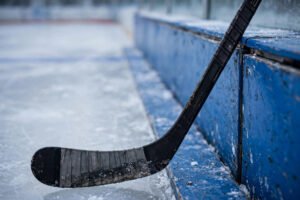
The blade is the flat part at the bottom of the stick, touching the ice and the puck. Blades vary in curve, depth, and face angle, and a blade that suits one player may not suit another.
The blade takes the most contact, from the ice, the puck, and other sticks. Chips, cracks, and worn edges are normal signs of use, so check them regularly, especially before a game.
The hosel and the grip
The hosel is where the shaft meets the blade. It affects how the stick feels when it flexes during a shot, and how much feedback reaches the hands. Some players prefer a firmer feel here; others prefer a softer, more responsive feel.
Many sticks also have a grip finish on the shaft: a slightly textured coating that helps the hands stay in place, especially when gloves are damp. Some players like a strong grip; others prefer a smoother shaft so they can slide a hand quickly for a pass or a shot.
Flex: what it means in general terms
Flex describes how much an ice hockey stick bends under force, for example during a shot. A softer flex bends more easily, while a stiffer flex bends less and needs more force to load. Neither is simply better; the right flex depends on strength and shooting style.
A softer flex can help a player who relies on a quick release, because the stick loads and releases with less effort. A stiffer flex can suit a stronger player who wants stability on harder shots. Too soft, and the stick can feel unstable; too stiff, and shots can feel flat and hard to time.
Test flex in action, not by description alone. A few shots and passes will usually reveal whether the stick loads naturally or feels forced.
Curve and lie: how the blade is shaped
Curve refers to the bend in the blade. A deeper curve can help lift the puck and control it on the blade. A shallower curve tends to give flatter, more predictable contact for passing and keeping the puck low. A heavily curved blade can also be harder to use on the backhand side.
Lie is a related idea: the angle between the shaft and the blade when the blade sits flat on the ice. If the lie does not suit a player’s stance, the toe or heel of the blade may lift off the ice, making stickhandling and passing less reliable. The right lie helps the whole blade stay in contact with the ice during normal play.
Players often develop a preference for curve and lie through practice rather than theory. Beginners do not need a highly specialised blade: a moderate curve and a standard lie are usually easier to learn with.
Choosing an ice hockey stick by position
Position affects what a player needs from an ice hockey stick. Forwards, defenders, and goalkeepers use the stick in different ways.
Forwards often need quick handling and a fast release in crowded areas. A light, responsive stick usually suits this role, with a blade that helps control the puck in tight spaces and a length that is easy to move quickly around opponents.
Defenders often need reach and strength for poke checks, blocking passes, and clearing the puck. A slightly longer stick can help here, as can a stable blade for receiving hard passes. Control still matters, but the emphasis shifts to covering space and making safe, firm plays.
Goalkeepers use a different type of stick, with a wider shaft and a larger blade area for blocking and playing the puck from the goal area. This guide does not cover goalkeeper sticks in detail, as their shape and use need separate advice.
Choosing an ice hockey stick by level
Playing level should guide the choice, not limit a player. A beginner needs a forgiving, easy-to-handle stick, so practice builds good habits rather than frustration. A moderate flex and curve are usually more useful at this stage, and a comfortable shaft matters more than a highly specialised design.
A regular player, who plays often and has a settled style, can be more specific. Match flex, curve, and length to shooting habits and position, and test small changes on the ice: a change that sounds good in theory but feels wrong in practice is not an improvement.
An advanced player may already know exactly what they like, and may change sticks less often. Even then, check a new stick in training before using it in a game, because a different feel can affect timing.
Length, weight and feel: the simple tests
Judge length, weight, and feel together. A stick should feel balanced when held normally, not heavy at the blade end or awkward at the hands. Hold it as if playing, move it through stickhandling motions, and take a few practice shots if possible.
Weight alone does not tell the whole story. A very light stick can still feel wrong if the balance is poor, while a slightly heavier stick with good balance can feel easier over a full game.
Consider growth and change too. Younger players will outgrow a stick, and a change of position or playing style may mean rethinking length and flex.
Caring for an ice hockey stick
Care for an ice hockey stick is simple, but it helps the stick last longer and perform reliably. After play, wipe the shaft and blade dry, especially after wet ice. Moisture left on the stick can damage tape and finishes, and a damp stick stored in a bag can develop an unpleasant smell.
Tape deserves regular attention. Blade tape protects the blade and improves puck feel, while grip tape or a knob at the top of the shaft helps control. Replace worn, loose, or peeling tape, because it can affect handling more than players expect.
Storage also matters. Keep the stick in a cool, dry place, away from radiators and direct heat, which can affect materials and finishes. Avoid leaning heavy kit on top of sticks, and check the blade and shaft for cracks before a game: a cracked stick can break at the worst moment.
FAQs
What is the most important part of an ice hockey stick to get right?
Comfort and control matter most. An ice hockey stick should feel balanced, suit the player’s position, and load naturally when shooting. No single feature matters more than how the stick feels in use.
Is a softer or stiffer flex better?
Neither is better for everyone. A softer flex bends more easily and can help a quick release. A stiffer flex can feel more stable for stronger shots. The right choice depends on strength, shooting style, and what feels natural on the ice.
Does blade curve really make a difference?
Yes, in general terms. A deeper curve can help lift and control the puck. A shallower curve tends to suit flatter passing and low shots. Beginners usually find a moderate curve easier, and can move to a more specific shape as their game develops.
How do I know if my ice hockey stick is the right length?
Hold the stick normally in skates. Check that it feels comfortable for handling and shooting, without forcing a bent stance or making tight handling awkward. Judge length by feel and stance, not by height alone.
How long should an ice hockey stick last?
That depends on how often you use it, how hard you play with it, and how well you look after it. Regular checks for cracks, worn tape, and blade damage will show when a stick needs re-taping, repair, or replacement.
Is an ice hockey stick different from a field hockey stick?
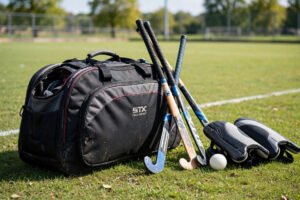
Yes. An ice hockey stick suits play on ice, with a blade, shaft, and flex for the puck and for skating. A field hockey stick suits a different surface and ball. Do not use the two interchangeably. The related guide Sticks for Hockey Guide 2026 covers sticks in general, while this guide focuses on ice hockey specifically.
A simple way to choose
An ice hockey stick earns its place when it feels natural in the hands. It should suit the player’s position and load without forcing the shot. Start with a comfortable shaft, a moderate flex and curve, and a length that suits stance and handling. Test the stick in training, check the blade and tape regularly, and change only one feature at a time when experimenting.