
Hockey Gloves: A UK Guide to Fit, Protection and Care for Field and Ice Hockey
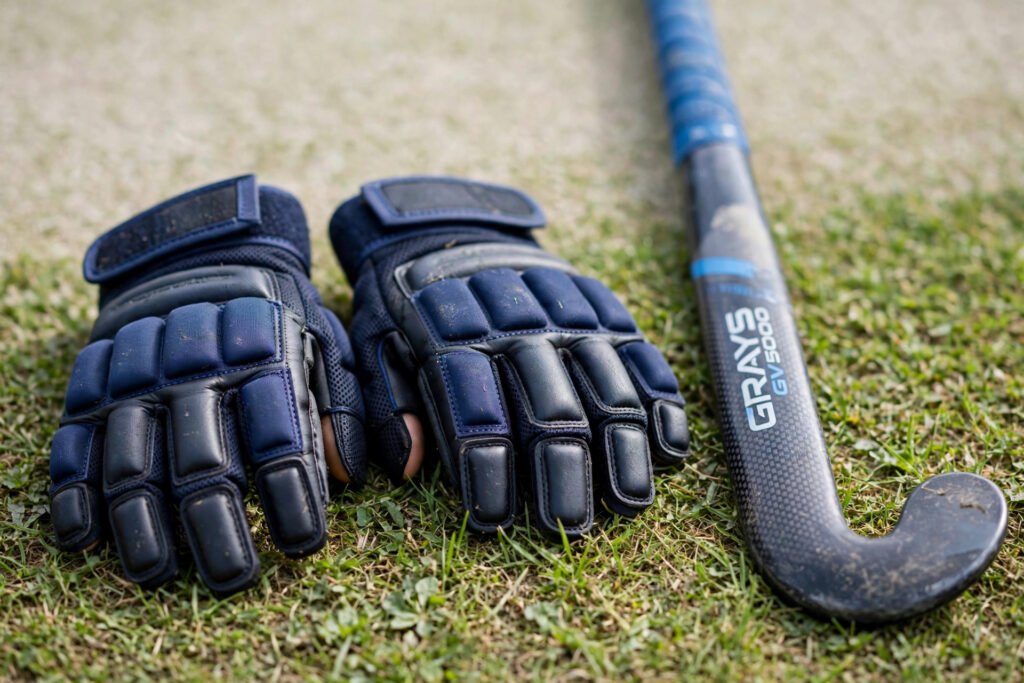
Hockey gloves protect the part of your body that is closest to the action. In field hockey, your hands guide the stick, receive passes and take knocks from the ball. In ice hockey, your hands do the same work at greater speed, on a harder surface. Contact with other players is also more frequent. Good hockey gloves therefore do two jobs at once. They protect your fingers, knuckles and wrists, and let you hold and move the stick with confidence.
This guide explains hockey gloves in plain terms. First, it looks at how field hockey gloves and ice hockey gloves differ. Next, the guide covers what to check for fit and protection. Choosing a pair for your position and level is covered too. Care for gloves in general terms is also explained. This is a guide to choosing and using gloves, not a review of particular products. Before you buy or replace a pair, it will help you understand what matters.
Why hockey gloves matter
Hockey is a stick sport, and the ball or puck can arrive quickly and unexpectedly. Even in a friendly game, a deflection can strike a hand, and a stick can catch a finger during a tackle. Gloves spread that impact and cover the skin, which reduces the chance of cuts, bruises and sore knuckles. They also improve grip, especially when hands become warm or damp during a match.
Protection is not only about hard impacts. Repeated small knocks, cold hands on a winter evening, and friction from the stick can all make playing uncomfortable. A well-fitting pair of hockey gloves helps you stay relaxed, keep a steady grip, and focus on the game rather than on your hands. That comfort matters for beginners and experienced players alike.
Field hockey gloves vs ice hockey gloves
Field hockey and ice hockey gloves look similar at first glance, but they are built for different games. The surface, the ball or puck, the speed of play and the rules all shape what a glove needs to do. Choosing the right type starts with knowing which game you play most often.
Field hockey gloves
Field hockey gloves are usually lighter and more flexible than ice hockey gloves. They cover the fingers and the back of the hand, while leaving enough movement for close control of the stick. Many field players wear a glove on one hand, often the left hand, because that hand leads the stick and takes most of the contact. Some players wear gloves on both hands, especially in defence or in cold weather.
A field hockey glove should feel close to the hand without squeezing it. It should protect the knuckles and the back of the hand, while still letting you feel the stick through the palm. If a glove feels stiff, bulky or loose, it will slow your stick work and may even get in the way during a tackle.
Gloves ice hockey: what changes on the ice
Gloves ice hockey players use are generally bulkier, with more padding across the fingers, thumb and back of the hand. That extra padding reflects the speed of the puck, the harder playing surface, and the greater chance of contact with sticks, boards and other players. Ice hockey gloves usually come as a pair, and they are designed to work with the longer, heavier stick used on ice.
Fit still matters on ice, even with more padding. A glove that is too long can catch on the stick, while a glove that is too short can leave the wrist exposed. The cuff should cover the wrist area without stopping you from moving the stick freely. As with field hockey, the best glove is one that protects you without making you fight against it.
How to choose hockey gloves
Choosing hockey gloves well starts with your game, your position and your level of play. A beginner who plays once a week needs reliable protection and comfort, not the most heavily padded pair available. A regular club player may need stronger protection, because the pace of the game is higher and contact is more frequent.
Fit: the first check
Fit is the most important check, and it is worth taking time over it. Try gloves on with your stick if you can, and move your hands as you would in a game. Bend your fingers, grip the stick, and check that the glove stays in place without sliding. The fingers should reach close to the end of the glove without pressing hard against it, and the thumb should move freely.
A glove that is too tight will tire your hands and may restrict blood flow during a long match. A glove that is too loose will slip, bunch up, and offer less protection where it matters. If you play in cold weather, remember that hands can feel different at the start of a match compared with later, so choose a fit that feels secure but not tight from the start.
Protection and padding
Protection should cover the areas most likely to be hit: the knuckles, the back of the hand, the fingers and the wrist. In field hockey, padding is often focused on the back of the hand and the knuckles. In ice hockey, padding is usually broader, covering more of the fingers and the cuff area as well.
More padding is not always better. Very thick padding can reduce feel and make it harder to control the stick, especially for younger or newer players. Look for padding that feels even, stays in place when you move, and does not create hard edges that press into your hand. The right balance is protection you notice when you need it, and forget about the rest of the time.
Grip and feel
Grip matters because hockey gloves sit between your hand and the stick. A glove with a good grip helps you hold the stick securely without squeezing hard, which keeps your hands relaxed and your stick work smoother. The palm should feel steady against the stick, not slippery and not sticky in a way that stops you from adjusting your grip.
Feel is closely linked to grip. You need to sense the stick well enough to control passes, dribbles and shots. If a glove dulls that feeling too much, you may over-grip and tire quickly. Try a few movements with the stick, including a change of grip, before you decide. A glove that feels natural in the shop is more likely to feel natural in a match.
Hockey gloves for different players
Different positions place different demands on gloves. Defenders in field hockey often face harder shots and more tackles, so they may value stronger protection on the back of the hand. Midfield players cover more ground and handle the ball often, so flexibility and grip may matter more to them. Forwards need quick stick work in tight spaces, so a lighter, more flexible glove can help.
In ice hockey, forwards, defenders and goalkeepers also have different needs, but the general rule is the same: match the glove to how you play, not to how it looks. Young players should also have gloves that fit their current hand size, rather than a pair they are expected to grow into. A glove that is too large offers less protection, because padding sits in the wrong place.
If you play both field and ice hockey, you will usually need separate gloves for each game. The differences in padding, weight and shape mean that one pair rarely serves both games well. Keeping a pair for each game also helps each pair last longer, because neither is worn for every match.
Caring for hockey gloves
Hockey gloves need simple, regular care. After a match, take them out of your bag and let them air dry at room temperature. Damp gloves left in a closed bag can develop an unpleasant smell and may wear out sooner. Avoid direct heat, such as a radiator, because strong heat can dry out materials and change the shape of the glove.
Wipe gloves lightly when they look dirty, and follow any care guidance that comes with them. Do not soak gloves unless the guidance says it is safe to do so, because soaking can affect padding and stitching. Check the stitching, the palm and the cuff from time to time. If stitching comes loose or padding shifts, have the gloves checked or replace them before the damage affects protection.
Store gloves in a cool, dry place away from direct sunlight. Sunlight and heat can weaken materials over time. If you rotate gloves, let each pair rest and dry fully between matches. That simple habit helps gloves keep their shape and comfort for longer.
FAQs
Do I need hockey gloves for field hockey?
Many field hockey players wear at least one glove, especially in defence or in cold weather. Gloves protect the knuckles and back of the hand and improve grip.
Are ice hockey gloves different from field hockey gloves?
Yes. Ice hockey gloves are usually bulkier and more heavily padded, because the puck is hard, the pace is high, and contact is more frequent. Field hockey gloves are lighter and more flexible, to allow close stick control. Each type is designed for its own game.
Should hockey gloves fit tightly?
Hockey gloves should fit securely, but not tightly. Your fingers should move freely, your thumb should not feel pinched, and the glove should stay in place when you grip the stick. A glove that is too tight will tire your hands, while a glove that is too loose will slip and offer less protection.
How do I know when to replace hockey gloves?
Replace hockey gloves when padding flattens, stitching comes loose, the palm wears through, or the glove no longer stays in place. If protection has shifted away from the knuckles or wrist, the glove is no longer doing its main job, even if it still looks usable.
Can one pair of gloves work for both field and ice hockey?
In most cases, no. Field and ice hockey gloves differ in padding, weight and shape, because the games differ. Separate pairs for each game usually fit better, protect better, and last longer than one pair used for both.
Hockey gloves are a simple piece of kit with an important job. Choose a pair that fits well, protects the right areas, and lets you control the stick comfortably, whether you are on a pitch or on the ice.