Padel Bag: A UK Guide to Types, Sizes and Choosing One
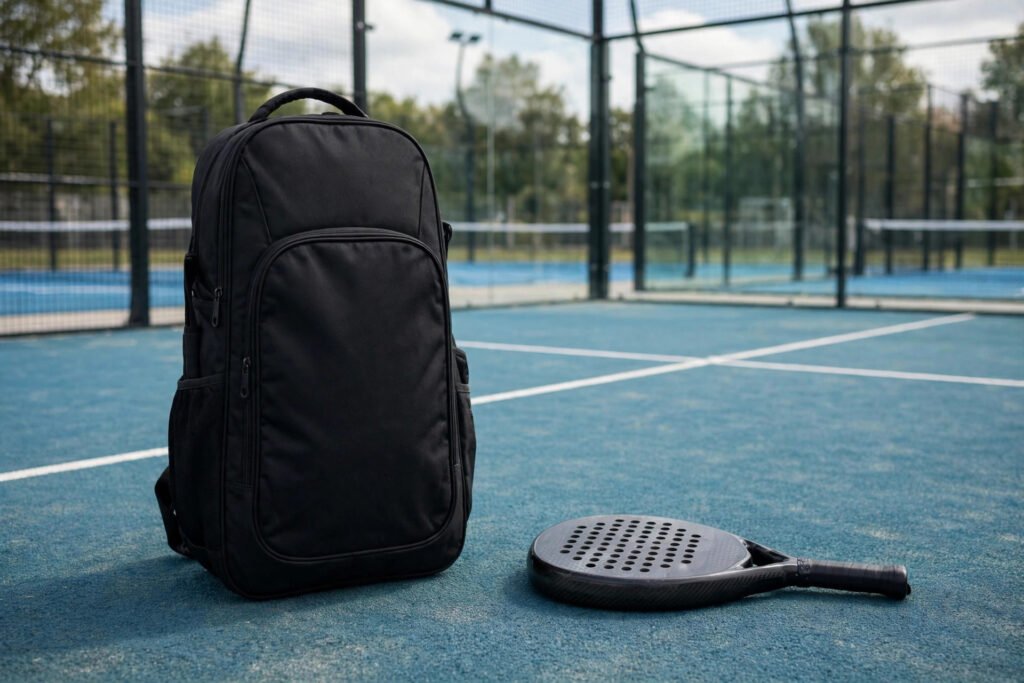
A padel bag carries your rackets, shoes, balls and kit to the court. It protects rackets from knocks and heat, keeps damp shoes away from dry clothes, and holds everything in one place. A good padel bag saves time before every game, and it protects your gear too. This guide explains padel bags in plain terms. It covers the main types, what fits inside, and how to choose the right bag for your level. It also covers what to check before you buy and how to look after your bag. If you play once a week or daily, the right bag makes every session easier.
What a padel bag is
A padel bag is a sports bag shaped around the padel racket. A padel racket measures at most 45.5 cm long and 26 cm wide. As a result, the bag runs short and deep rather than long and narrow. In Spanish, the racket is a pala and the bag is a paletero. English-speaking players more often say padel racket bag, and shops use both terms.
For example, most padel bags hold two or three rackets in padded compartments, plus shoes, clothes, balls and a bottle. Many padel bags have a thermal lining over the racket compartments. It shields the racket core from heat and cold. Separate pockets keep shoes and wet kit away from dry clothes.
By contrast, a gym bag can carry the same kit, but it lacks the shape and dividers that protect rackets. Racket frames knock together in a plain duffel, and the edges chip. A padel bag gives each racket its own sleeve, so the frames stay apart. Our padel rules guide sets out the rules of the game. The same regulations set the maximum racket size that bag makers work to.
The main types of padel bag
First, padel bags fall into a few clear types. Your level, how often you play, and how you travel decide which type suits you best. One detailed guide to bag types and sizes compares the four main formats side by side.
Padel racket bag (paletero)
The classic padel racket bag holds two or three rackets in a rectangular shape. It has a main compartment for clothes and a separate shoe pocket. Most club players choose this format. It fits a main racket and a spare, plus a can of balls. Most models offer shoulder straps and backpack straps, so you can carry it either way.
Padel backpack
A padel backpack suits players who cycle, walk or take public transport. It holds one or two rackets in a sleeve, plus shoes, clothes and a bottle. Backpacks weigh less than a full paletero and leave your hands free. They suit commuters and casual players who travel light.
Duffel bag
A duffel bag gives you one large, flexible space. You can pack a lot into it, and it fits into a crowded car boot. However, it lacks the dividers of a paletero, so shoes and wet clothes need a separate bag inside. Duffels suit players who want simple, roomy storage and pack light on rackets.
Large and tour bags
Large and tour bags suit coaches and tournament players. They hold three or more rackets, plus a tracksuit, spare shoes and extra kit. Three or more compartments keep wet and dry gear apart. These bags weigh more and take up more space. As a result, they suit car travel and tournament days rather than a quick cycle to the club.
Wheeled trolley bag
A wheeled trolley bag suits players who travel long distances. Wheels take the weight off your shoulders, and a pull handle makes the bag easy to move through an airport. In short, trolleys hold as much as a large tour bag. Check the size before you fly, since some models exceed cabin limits.
Racket sleeve and cover
A racket sleeve covers a single racket and nothing else. It protects the frame from scratches and knocks, and it weighs almost nothing. Sleeves suit players who carry one racket and pack light. In addition, they cost less than a full bag and fit easily inside a larger bag.
What fits inside a padel bag
First, count your rackets. Most players carry a main racket and a spare, since a cracked frame can end a match. A spare racket also lets you switch models when the balls go soft or the court runs damp.
Next, pack your shoes in the ventilated shoe compartment, away from clean clothes. Court shoes pick up sand and moisture from the artificial grass. The separate pocket keeps the smell out of the rest of the bag.
Then add a can of balls, a water bottle and a towel. A side sleeve holds a tube of balls, and a bottle holder keeps water within reach. Small pockets hold keys, a phone, overgrips and a wristband.
Finally, pack a change of clothes in the main compartment. Keep wet and dry kit apart, and use a separate wet bag for sweaty clothes. Overall, a full padel bag holds all of this without bulging, and you should still close every zip with ease.
How to choose a padel bag
First, start with how often you play. Casual players who play once a week need a backpack or a standard padel racket bag. Regular players who play three or four times a week need a bigger bag. It should have a shoe compartment and a thermal lining. Competitive players and coaches need a large tour bag with room for several rackets and a full change of kit.
Next, think about how you travel. Cyclists and bus users need a backpack. Car drivers can choose any format, since the boot takes the weight. Flyers need a trolley or a compact backpack that meets cabin rules.
Then think about your rackets. Count how many you carry and check that the racket compartments fit a racket up to 45.5 cm long. Leave a little extra space for overgrips and a cover.
Finally, match the bag to your kit and how much you carry. A bigger bag costs more and weighs more, so buy only the space you use every week.
What to check before you buy a padel bag
First, check the size and capacity. A bag for a basic kit needs roughly 30 to 40 litres of space. Larger bags reach up to 60 litres and hold several rackets plus extra kit. Check the racket compartments against the 45.5 cm maximum racket length.
Second, check the compartments. Look for a padded racket section, a separate shoe pocket and a wet-and-dry split. Dividers stop frames knocking together, and a ventilated shoe pocket lets damp shoes dry out.
Third, check the thermal lining. A foil-lined racket compartment shields the racket core from heat in a hot car. It also shields it from cold on a winter morning. Heat can soften the foam core of a racket, so this feature matters more than it looks.
Fourth, check the zips and straps. Strong zips survive daily use, and padded, adjustable straps spread the weight across your shoulders. Try the bag on with your kit inside before you commit.
Fifth, check the material. Tough polyester or nylon resists scuffs and light rain. Reinforced stitching at the handles and corners adds years to a bag. A water-resistant base keeps the bag dry on a damp court.
Care and storage
Overall, a padel bag needs little care, but a few habits keep it in good shape for years. After play, empty the bag and air it out. Damp shoes and wet clothes breed smells, so take them out the same day.
Wipe the outside with a damp cloth to remove sand and court dust. Clean the zips with a soft brush, since grit in a zip can jam it. Let the bag dry fully before you store it. Then keep it in a cool, dry place away from direct heat and sunlight.
Heat can warp a bag and soften the lining, so a hot car boot makes a poor storage spot. Hang the bag on a hook or stand it upright, and keep the straps loose so they hold their shape.
Common mistakes to avoid
First, one common mistake is to buy a tennis bag for padel. A tennis bag runs long and narrow, so a padel racket swims around inside it and the frames knock together. A padel-specific bag fits the short, wide racket properly.
Second, buying a bag that is too small is a mistake. A cramped bag forces you to squeeze rackets in, and the zips strain every time you close them. Leave room for a spare racket and a change of clothes.
Third, ignoring the shoe compartment is a mistake. Shoes left in the main compartment spread sand and smell through your clean kit. A ventilated shoe pocket solves this.
Fourth, leaving the bag in a hot car is a mistake. Heat damages racket cores and warps the bag, however good the lining. Finally, take the bag indoors after every session.
FAQs about padel bags
Can I use a tennis bag for padel?
No. A tennis bag suits long, narrow tennis rackets, while a padel racket runs short and wide. The racket moves around in a tennis bag and the frame can chip. A padel-specific bag holds the racket snugly and protects it.
How many rackets does a padel bag hold?
In general, most standard padel bags hold two or three rackets. Backpacks hold one or two, and large tour bags hold three or more. Count your rackets before you buy, and leave space for a spare.
What size padel bag do I need?
For a basic kit, take one or two rackets, shoes, clothes, balls and a bottle. A bag of roughly 30 to 40 litres works well. Players who carry several rackets and extra kit need a larger bag of up to 60 litres.
Do I need a thermal lining?
For most players, yes. A thermal lining shields the racket core from heat and cold, and it helps the racket last longer. It matters most if you leave the bag in a car or play outdoors in summer.
How do I clean a padel bag?
Empty the bag after every session and air it out. Wipe the outside with a damp cloth and brush grit from the zips. Then let the bag dry fully before you store it. Keep it in a cool, dry place away from heat and sunlight.