Hockey Bag Guide: Types, Sizes, Packing and Choosing the Right One
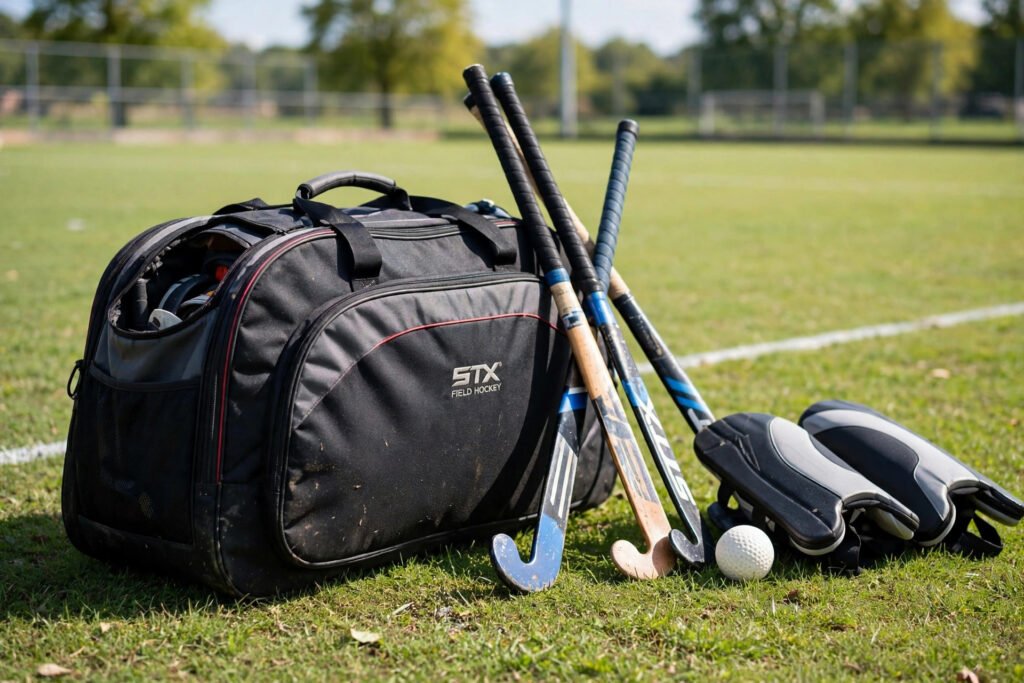
A good hockey bag does more than carry your kit from home to the pitch. It keeps your sticks safe, keeps smaller items easy to find, and keeps your match-day routine calm, even in a hurry. Choosing one well is worth a little thought, especially for regular players and away games.
This guide explains the main types of hockey bag. It shows how to choose a size, what to pack, and how to care for your bag. It also covers stick bags and common mistakes that can make a bag feel wrong, even when it looked right in the shop.
Why the right bag matters
Hockey kit is awkward to carry without a proper bag. Sticks are long, shin pads are bulky, and small items such as a mouthguard, tape and a water bottle are easy to lose. A hockey bag gives each part of your kit a place, and lets you carry everything in one trip rather than juggling loose items.
A well-chosen bag also protects your kit. Sticks kept loose in a car boot can get scratched or bent. Pads left in a damp pile can stay wet and start to smell. Separate compartments keep wet and dry kit apart.
For beginners, a simple bag is often enough. Later, you may want more pockets, stronger handles, or a wet-kit section. The right bag matches how often you play, how much kit you carry, and how you travel.
Types of hockey bag
Not every hockey bag is designed in the same way. The main types differ in shape, carrying style and storage.
Holdall and duffel bags
A holdall is the classic hockey bag shape: a long, roomy main compartment with handles and a shoulder strap. It is easy to pack, easy to open wide on a bench, and usually generous enough for pads, clothing and smaller items. You can see everything at once, which helps on busy match days.
The main drawback is comfort over longer walks. A full holdall can feel heavy on one shoulder, especially with sticks carried separately. For a short walk, that may not matter; for a long one, a backpack style may suit you better.
Backpack bags
A backpack hockey bag spreads the weight across both shoulders, which feels much more comfortable on longer walks or public transport. Some have a long pocket for sticks, while others expect you to carry sticks separately, so always check this before you buy.
Backpack bags tend to suit players who travel light or want their hands free. They can feel less roomy than a holdall, though, so pack carefully and avoid unnecessary extras.
Wheeled bags
Wheeled bags are a good option if you carry a lot of kit or find lifting difficult. Wheels take the weight off your shoulders and back, and a pull handle makes a heavy bag easier to move across a car park or clubhouse floor. They help goalkeepers and players with extra training kit.
Wheels do add weight and bulk, and they can be awkward on grass, gravel or steps. If your route to the pitch is mostly smooth ground, wheels are a clear advantage. If it involves muddy paths or stairs, a bag you can carry may be more practical.
Hockey stick bag
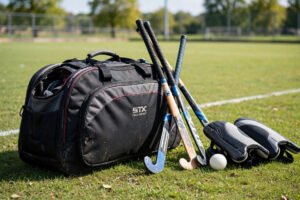
A hockey stick bag is a long, narrow bag made mainly for sticks. Some players use one on its own, while others use it alongside a main bag. It keeps sticks together, protects them from scratches, and often includes a smaller pocket for a ball or tape.
Before choosing a stick bag, think about how many sticks you usually carry. A bag made for one or two sticks will feel very different from one made for a larger set. A bag that is too tight can make sticks hard to slide in and out. For stick types and what to look for in a stick itself, see the Sticks for Hockey Guide 2026.
Choosing the right size for your hockey bag
Size is one of the most common reasons a hockey bag disappoints. A bag that is too small forces you to leave kit behind or squash everything in, which can damage items and make packing stressful. A bag that is too large can feel floppy, hard to carry, and difficult to store in a changing room.
Start by listing the kit you normally take to a game. That list usually includes sticks, shin pads, shoes and clothing. It also includes a mouthguard, a water bottle and extras such as tape or a towel. Allow for seasonal extras, such as a warm layer or a spare shirt. Your bag should hold your normal kit comfortably, with a little room to spare, but not so much room that everything slides around.
Also consider where the bag will live. A very large bag may not fit in a car boot alongside other players’ kit, or in a small changing room locker area. A bag that fits your car, your storage space and your kit is more useful than the largest bag available.
What fits in a hockey bag
Packing a hockey bag well starts with knowing what you actually need. Most players carry the same core kit every time, plus a few personal extras, and keeping that core list consistent makes match days much easier.
Your main items will usually be your sticks, shin pads, playing shoes, playing shirt and shorts or skort, socks, and a mouthguard. A water bottle is essential, and a towel is useful in wet or hot conditions. Smaller items such as tape and a spare lace can live in a side pocket, where they are easy to find without emptying the whole bag.
It is tempting to add everything you might possibly need, but a heavy bag is harder to carry and harder to organise. Pack for the game in front of you, not for every possible situation.
Packing a hockey bag for match day
Good packing is mostly about order and habit. Pack the night before a game if you can, so you are not rushing in the morning. Put larger, flatter items in first, then pads and clothing, then smaller items in pockets. Keep your mouthguard in a case, and keep your water bottle where it cannot leak over clothing.
Carrying all your hockey in a bag in the same order each time also helps you notice what is missing. If you always pack in the same way, a missing item stands out quickly.
After a game, unpack promptly. Take wet clothing and towels out, air the bag, and let pads dry before you pack them away again. A bag left damp and closed will smell. A few minutes of unpacking after a game will keep your bag and kit in much better condition.
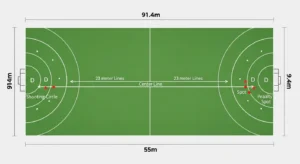
For pitchside routines and where to stand and warm up once you arrive, the Hockey Pitch Guide and the Positioning Hockey Guide for Beginners are useful companion reads for newer players.
Caring for your bag
A hockey bag does not need much care, but regular care makes a big difference. Empty it fully from time to time, shake out mud and grass, and wipe the inside with a damp cloth. Let it dry fully before you store it, in a dry place away from direct heat.
Check handles, straps, zips and wheels regularly. A small problem, such as a fraying strap or a sticking zip, is easier to deal with early. Do not wait until it fails on match day.
Avoid overfilling your bag, even if it still closes. Overfilling strains zips and seams, and it can crush shin pads and clothing. A bag packed sensibly will last longer and be much more pleasant to carry.
Common mistakes when choosing a bag
One common mistake is choosing a bag for looks alone. A bag may look smart, but if it does not fit your sticks, pads and shoes comfortably, it will frustrate you every week. Judge a bag by your kit list first, and by appearance second.
Another mistake is forgetting how you travel. A bag that works well from a car may not work well on a bus or a long walk, so think about your usual journey, not just the pitch itself.
A third mistake is buying a bag with no separate pocket for wet or muddy items. Without one, wet clothing can dampen everything else in the bag, but a simple separate pocket or small waterproof pouch can solve this problem.
Finally, do not assume one bag must do everything. Some players use a main hockey bag for games and a smaller bag for training. That split can keep your match-day bag organised and stop training kit from cluttering your game-day routine.
FAQs
What size hockey bag do I need?
You need a hockey bag that holds your sticks, shin pads, shoes, clothing, mouthguard and water bottle comfortably, with a little room to spare. List your normal kit first, then choose a bag that fits that list.
Do I need a separate hockey stick bag?
Not always. If your main hockey bag has good stick storage, a separate stick bag may not be needed. It is useful if your main bag does not hold sticks well, if you carry several sticks, or if you want sticks protected and separate from the rest of your kit.
What should I pack in a hockey bag for a match?
Pack your sticks, shin pads, playing shoes, playing kit, socks, mouthguard and water bottle, plus tape and a towel if you use them. Pack in the same order each time and keep small items in pockets.
Can I carry all my hockey in a bag on public transport?
Yes, if you choose the right style. A backpack hockey bag or a compact holdall is usually easier on public transport than a very large wheeled bag. Check stick storage before you buy, and pack light.
How do I clean a hockey bag?
Empty the bag fully, shake out mud and grass, and wipe the inside with a damp cloth. Let it dry fully before storing it, and clean it more often in wet or muddy conditions. Check handles, straps and zips at the same time.
A well-chosen hockey bag makes hockey simpler. It keeps your kit together, protects your sticks and pads, and lets you focus on the game rather than on what you forgot. Pick a size that fits your real kit list, choose a carrying style that suits your journey, and find a layout that keeps wet and dry items apart.