Junior Golf Clubs: A UK Parent’s Guide to Sizing, Sets and Buying
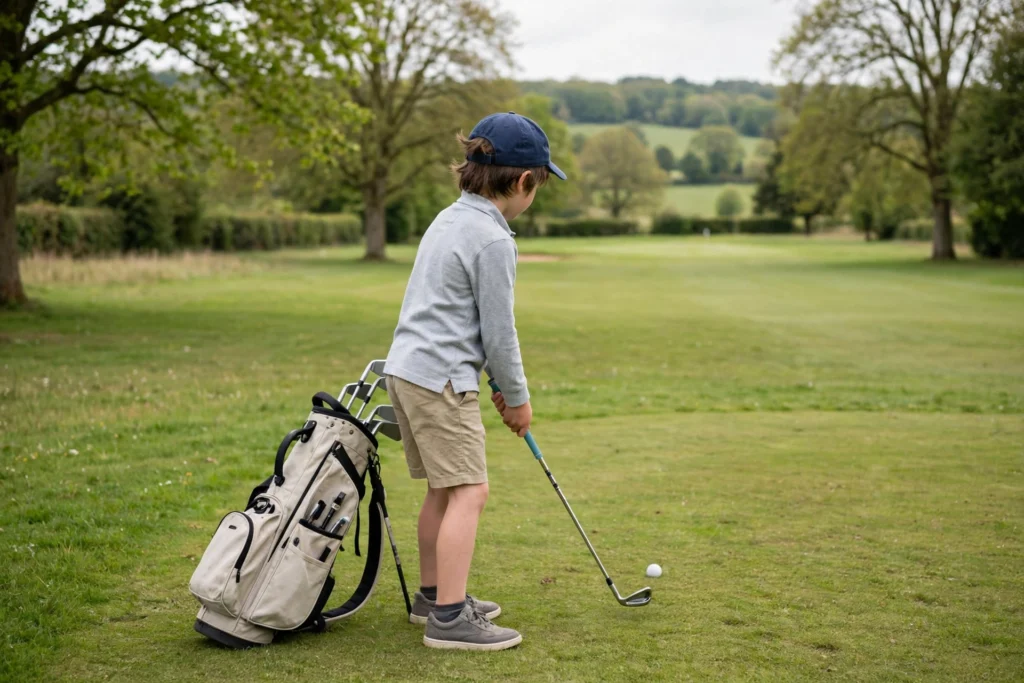
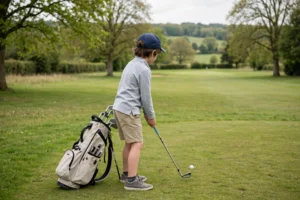
Junior golf clubs are clubs built for children, not cut-down adult clubs. They have lighter heads, softer shafts, thinner grips and shorter lengths. As a result, a child can swing them freely and learn good habits. Overall, this guide covers sizing, clubs by age, lessons, costs, and buying well. The R&A’s 2025 report backs this up. It found that 70% of households with children aged 6 to 17 played golf in the last 12 months.
Junior Clubs vs Adult Clubs
An adult club is built for an adult’s height, strength and swing speed. In contrast, a child who uses one must lift a heavy head on a stiff shaft. That is why junior clubs are built from scratch.
Firstly, the heads are lighter. Junior heads are 10–30% lighter than adult heads. US Kids UL7 39 heads, for example, are 30% lighter. Secondly, the shafts are softer. Children swing slowly, so a soft shaft bends and helps the ball get airborne. Thirdly, the grips are thinner, because a small hand cannot hold an adult grip without squeezing. Finally, the lengths are shorter, so the child stands close to the ball.
Therefore, a cut-down adult club fails on all four points.
When Is a Child Ready for Golf?
Around three is a good age for play. At that age it is play rather than golf, and a three-club set is plenty. Overall, the signs are simple. Your child shows interest, follows instructions, and concentrates for about an hour.
Structured lessons and short course play usually suit children from about six or seven. Before that, keep it fun. A plastic club and a few swings in the garden are enough. If your child asks to go again, they are ready. If they lose interest, wait a few months.
How to Size Junior Golf Clubs by Height
Golf clubs are fitted by height, not age. Two nine-year-olds can differ by 20cm. US Kids Golf names its sets after the child’s height in inches. A UL7 45 fits a child of 45 to 48 inches. Callaway lists a centimetre range on every XJ set. Makers sell golf clubs for junior golfers by height, just like other junior sets. Listings described as a club golf junior set mean the same thing, worded differently.
First, stand your child against a wall in socks. Mark the top of the head and measure from the floor. Then measure wrist-to-floor with the arms relaxed.
However, do not buy a size too big. Clubs that are too long force a child to stand back and swing flat. Buy to fit today, then resell and replace as your child grows. Most children move through three or four sets between six and fourteen, replacing them every two years.
How Many Clubs Does a Junior Need?
Three clubs are plenty under age eight. A driver, one iron and a putter cover a whole round for a beginner. In addition, more clubs mean more weight and more decisions.
From eight to twelve, four to six clubs is right. A wedge earns its place now, and a hybrid adds distance. After twelve, eight or more clubs make sense.
What is in a set? For example, a small set holds two clubs and a bag. A full junior set runs from driver to putter with seven clubs. The phrase golf junior golf clubs means the same junior sets described here. England Golf’s Get into Golf guide puts it plainly: “You don’t need to buy a full set of clubs to begin with.” Four key clubs get a new golfer round. A package set is almost always better than single clubs. Weight and flex match across the set, and the bag is included.
Junior Golf Clubs 12-14: The Teen Years
Clubs for ages 12 to 14 suit players who are growing fast. Similarly, choose them by height, not age. Maker age labels often stop at 13, while height ranges run higher.
As a result, a teen set makes sense when your teenager’s height sits inside the maker’s range. It also suits a new player who wants one set at a single price.
Above about 175cm, adult clubs come next. The US Kids TS6 66 tops out at 175cm. A PGA professional who has watched your teenager swing may say sooner. Meanwhile, before that step, try a half set of adult clubs.
Lessons, Coaching and Junior Membership
Lessons are worth starting once your child is ready for structured play, usually from about six or seven. A good coach teaches grip, stance and swing in small steps. Ask at your local club about junior group lessons. They cost less than one-to-one coaching.
In addition, junior membership is the next step. Most clubs run a junior section with competitions, coaching days and a handicap system.
England Golf’s Get into Golf programme aims to make starting simple, friendly and pressure-free.
A First Round on the Course
A first round should be short. Nine holes is plenty. First, tell the club in advance, and ask about junior tees.
Next, pace of play matters. Teach your child to keep up with the group ahead. They should be ready when it is their turn. They should pick up the ball if a hole is taking too long.
Safety comes first. A child should never swing when someone is close behind. Shout “fore” if a ball heads towards another player.
Finally, most clubs still expect a collar, so check the dress code before you go. A polo shirt, trousers or shorts, and trainers or golf shoes are usually right.
Practising at Home
Most learning happens away from the course. A garden is enough for putting practice. Keep sessions short. For example, ten minutes of fun beats an hour of drills.
A driving range is the next step. It lets your child hit real balls without the pressure of a round. For example, a putting mat or a chipping net can help, but they are extras. The best aid is a parent who plays along.
Our padel balls guide covers a fast-growing racket sport that many junior golfers also enjoy.
Girls’ Junior Golf
Below about age twelve, girls’ and boys’ sets are the same beyond colour. Height and strength drive the specification, not gender, and the US Kids sets are unisex. Therefore, fit to height.
Similarly, from the early teens, girls’ sets use slightly lighter shafts. If your daughter is tall for her age, she may fit a standard junior set better. Check the height range first.
Carrying the Bag or Using a Trolley
Overall, your child carries the set, so weight matters. If they cannot lift the bag unaided, the set is wrong. A stand bag with fold-out legs helps, because it stands upright.
Meanwhile, a push trolley takes the weight off small shoulders. It suits a child who plays full rounds with eight or more clubs. For a first set, a light carry bag is enough.
Accessories Beyond the Set
In addition, a set covers the clubs and usually a bag, so budget for a few extras. A glove comes first. Buy one in your child’s own size, worn on the lead hand — the left hand for a right-handed player. Used balls keep lost-ball costs down. A bag of tees costs very little.
In addition, golf shoes can wait until your teenager plays regularly. Until then, trainers are fine in most places. Finally, none of these extras needs to match the set’s brand.
How to Buy Junior Golf Clubs: A Step-by-Step Guide
Firstly, measure your child. Stand them against a wall in socks, then measure wrist-to-floor.
Secondly, match the maker’s height range. Pick a set whose range covers your child’s height today.
Thirdly, choose the set size. Three clubs are plenty under eight; four to six until twelve; eight or more after.
Fourthly, check the hand. If your child plays left-handed, confirm the maker lists a left-handed version.
Fifthly, check the bag is included, and that your child can lift it.
Finally, set the budget. Under £100 buys a first try, and £150 to £250 suits lessons. Past £500 is only for a competitive junior. Above about £500, have a club fitter check the clubs in person.
Buying Second-Hand Junior Clubs
Second-hand clubs can stretch a budget between sizes, as long as they match your child’s height range. That is the first check. However, if the maker’s range no longer covers your child, the set is wrong at any price.
Next, check the condition. Worn grips are cheap to replace, but a cracked head is not. Check the shafts are straight and the heads sit firmly.
You will find used sets on eBay and Facebook Marketplace. When your child outgrows a set, selling it on helps pay for the next size.
How Much Does a Junior Set Cost?
Junior sets range from £39.99 to £899. An Inesis set for 2 to 4 years costs £39.99. Ping’s Prodi G 8-piece set costs £899 and is custom fitted.
In fact, for most families, the sweet spot is £150 to £250. That buys a good mid-range set, such as MKids or US Kids. A first year averages about £374 in total, with equipment often about £224.
Therefore, do not spend heavily on a first set. Children outgrow clubs within 18 months at the youngest ages.
Frequently Asked Questions
What age should a child start golf? Around three for play, with a three-club set. Lessons usually suit children from about six or seven.
How to choose junior golf clubs? Measure height first, then match the maker’s range. Start small and buy to fit today.
Are junior golf clubs different from adult clubs? Yes. Junior clubs have lighter heads, softer shafts, thinner grips and shorter lengths.
How many clubs should a junior golfer carry? Three under eight, four to six until twelve, and eight or more after that. A driver, one iron and a putter cover a whole round.
When should a child move to adult golf clubs? Above about 175cm, when no junior set fits. A PGA professional may say sooner.
How much do junior golf clubs cost? Junior sets range from £39.99 to £899. Under £100 is enough for a first try.
Are second hand junior golf clubs worth it? Yes, if the maker’s height range still covers your child. Check the grips, shafts and heads before you buy.
How to measure a child for golf clubs? Stand them against a wall in socks and measure to the top of the head. Then measure wrist-to-floor with the arms relaxed.