Padel Holidays: A UK Guide to Coaching, Courts and Choosing One

Padel holidays give you a break in the sun with padel at the centre of every day. You play in the morning, then you rest in the afternoon, and you play again in the evening if you want. A coach runs the sessions, and a group of players shares the courts with you. In short, a padel holiday suits anyone who wants a trip with a racket in hand.
This guide explains the main kinds, what to check before you book, what to pack and the mistakes to avoid. If you want the rules fresh in your mind before you go, the padel rules guide on this site sets them out in full.
What padel holidays are
A padel holiday is a trip with padel as the main event. You stay somewhere warm, often near the coast, and you play padel most days. Court time, coaching and social play shape the trip, not sightseeing. Most padel holidays last a long weekend or a full week, and groups range from a handful of players to thirty or more.
Padel grew into a major sport in Spain, and the game spread from there across Europe. Spain still leads the padel world, with more courts and more players than anywhere else. Portugal follows close behind, and the two countries host most padel trips. You can also find them in other sunny places, such as the Canary Islands, the Balearics and the Algarve. For example, how padel grew in Spain explains why the sport took root there first.
A padel holiday differs from a normal beach break. You book it for the padel, not for the hotel pool. The days follow a rhythm: coaching in the morning, free play after lunch, and social games in the evening. Overall, you still get time to rest, eat well and enjoy the place. But the racket stays in your hand for most of the trip.
The main kinds of padel holidays
Most padel holidays fall into four broad kinds. Each one suits a different player, so pick the kind that matches how you play and how you like to travel.
Coaching holidays
A coaching holiday puts lessons at the centre of the trip. A qualified coach leads two or three sessions a day, and the sessions cover technique, tactics and match play. The coach watches your game, spots your weak points, and gives you drills to fix them. For example, a coaching holiday suits players who want to improve fast and like structure. It works best with clear goals, such as a better serve or a steadier backhand.
Social padel weeks
A social padel week puts fun first and coaching second. You play planned games each day, and the organiser mixes the groups so you meet new partners. Evenings often bring group meals, quizzes or a local night out. In short, a social week suits players who want new padel friends. It works well for solo travellers, since the group welcomes you from day one.
Group trips
A group trip takes a ready-made group of friends or club players to one place. You travel with people you know, and you play together all week. The organiser books the courts and the coaching, and the group sets its own pace. For example, a club trip suits a team week, and a friends trip suits a birthday or a reunion. You share the cost, the courts and the laughs.
Family padel breaks
A family padel break mixes padel with time for everyone. Adults play in the morning while children join junior sessions or enjoy the pool. Afternoons stay free for the beach, the town or a family meal. In addition, many family breaks welcome mixed levels, so a beginner parent can play beside a keen teenager. It suits families who want a shared hobby on holiday, not a week apart.
What padel holidays usually include
Padel holidays vary, so read the details before you book. Most trips include court time, coaching sessions and a place to stay. The package often covers breakfast, and some trips add lunch or dinner too. Airport transfers may form part of the deal, and some trips add a welcome event on the first evening.
Check what the trip leaves out as well as what it covers. Flights often sit outside the package, and you book them yourself. Travel insurance, racket hire and extra court time can cost more on top. A good listing spells out every item in plain words, so compare two or three trips first.
Group size matters too. A small group gives you more court time and more attention from the coach. A large group brings more social play but less time with the coach. For example, ask how many players share each court and how the organiser splits the groups by level. That answer tells you more than any brochure line.
How to choose padel holidays for your level
Pick padel holidays that match your level, not someone else’s. A trip that fits a strong club player will frustrate a beginner, while a gentle week bores an advanced player. Start with an honest look at your game, then match the trip to it.
Beginners
Beginners need a trip with patient coaching and plenty of basics. Look for a trip that promises small groups, simple drills and time to practise the serve, the lob and the glass. Avoid trips that promise advanced tactics or long match sessions. A good beginner trip gives you confidence first and results second. For example, ask the organiser how many beginners join each trip, and pick a week with a clear beginner group.
Improvers
Improvers sit between beginner and club level, and they want a trip that pushes them. Look for a trip with video review, match play and tactics sessions. A good coach spots your patterns and sets drills that stretch you. Play against a mix of levels, since that tests your game in new ways. In short, pick a trip that challenges you without overwhelming you.
Groups of friends
Groups of friends need a trip that keeps everyone happy. Some players in the group may play at different levels, so ask how the organiser splits the courts. A good group trip mixes shared sessions with free play, so strong players get a challenge and newer players get support. Agree on the budget and the pace before you book.
What to check before you book padel holidays
Ask these questions before you pay for padel holidays. First, check the coaching: who leads the sessions, and what level do they coach? Second, check the courts: how many courts does the venue have, and how much time does each player get? Third, check the group: how many players join, and how does the organiser split them by level?
Fourth, check what the package covers and what it leaves out. Ask about meals, transfers, flights and insurance in plain terms. Fifth, check the travel: how far does the venue sit from the airport, and how do you get there? Sixth, check the small print: what happens if you cancel, and what happens if the trip fills up? A clear answer to each question marks a trustworthy trip.
Finally, check reviews from past players, not just the listing. Look for comments about the coaching, the courts and the group, and weigh them against the price. A trip with honest reviews beats a glossy listing every time.
What to pack for padel holidays
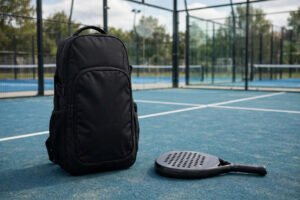
Pack light for padel holidays, but pack the right kit. Take two rackets if you own them, since a spare saves the trip if one breaks. Pack three or four overgrips, a towel, and a water bottle. Bring court shoes with a good grip, and pack socks for every day. Sun cream, a hat and sunglasses matter too, since most trips run outdoors in strong sun.
Leave the heavy extras at home. You need no more than a small bag for the court and a day bag for trips out. In addition, pack a light jacket for cool evenings, and bring a book or a game for rest time. If you hire a racket, check the hire cost first, and pack your own grip tape just in case.
Common mistakes to avoid
The biggest mistake on a padel trip is to pick it for the hotel, not for the padel. A smart hotel means little if the courts sit far away. Second, many players skip the level check and land in a group that plays far above or below them. Next, ask about the group before you book, and pick a week that matches your level.
Third, some players pack too much. Pack light and wash kit at the venue if you can. Fourth, some players forget travel insurance or skip the small print. Read the terms, check the cancellation rules, and sort insurance before you pay. Finally, do not expect to play all day, every day. Your body needs rest, and a tired player picks up bad habits. Plan rest into the week, and your padel will thank you for it.
FAQs about padel holidays
Can beginners join a padel holiday?
Yes. Many padel holidays welcome beginners, and most trips split players by level. You need basic strokes and a willingness to learn, not a high ranking. Tell the organiser your level, and they will place you in the right group.
What does a padel holiday usually include?
Most trips include court time, coaching and a place to stay. In addition, many add breakfast, and some add transfers or a welcome event. Flights, insurance and racket hire often sit outside the package, so check the details before you book.
When is the best time to go on a padel holiday?
Spring and autumn suit most players best, with warm days and cooler evenings. Summer brings strong sun and busy courts, so book early if you travel then. Winter works well in the Canary Islands, where the weather stays mild. Pick the season that matches your heat tolerance and your diary.
How much court time do I get each day?
Most trips offer two to three hours of padel a day, split between coaching and free play. Some days run longer, with social games in the evening. Ask the organiser for the daily plan before you book, so you know what each day holds.
Do I need travel insurance for a padel holiday?
Yes. Take out travel insurance that covers sports and cancellations before you pay for the trip. Check that the policy covers padel, since some standard policies exclude racket sports. Keep the policy number with you, and share it with the organiser if they ask for it.