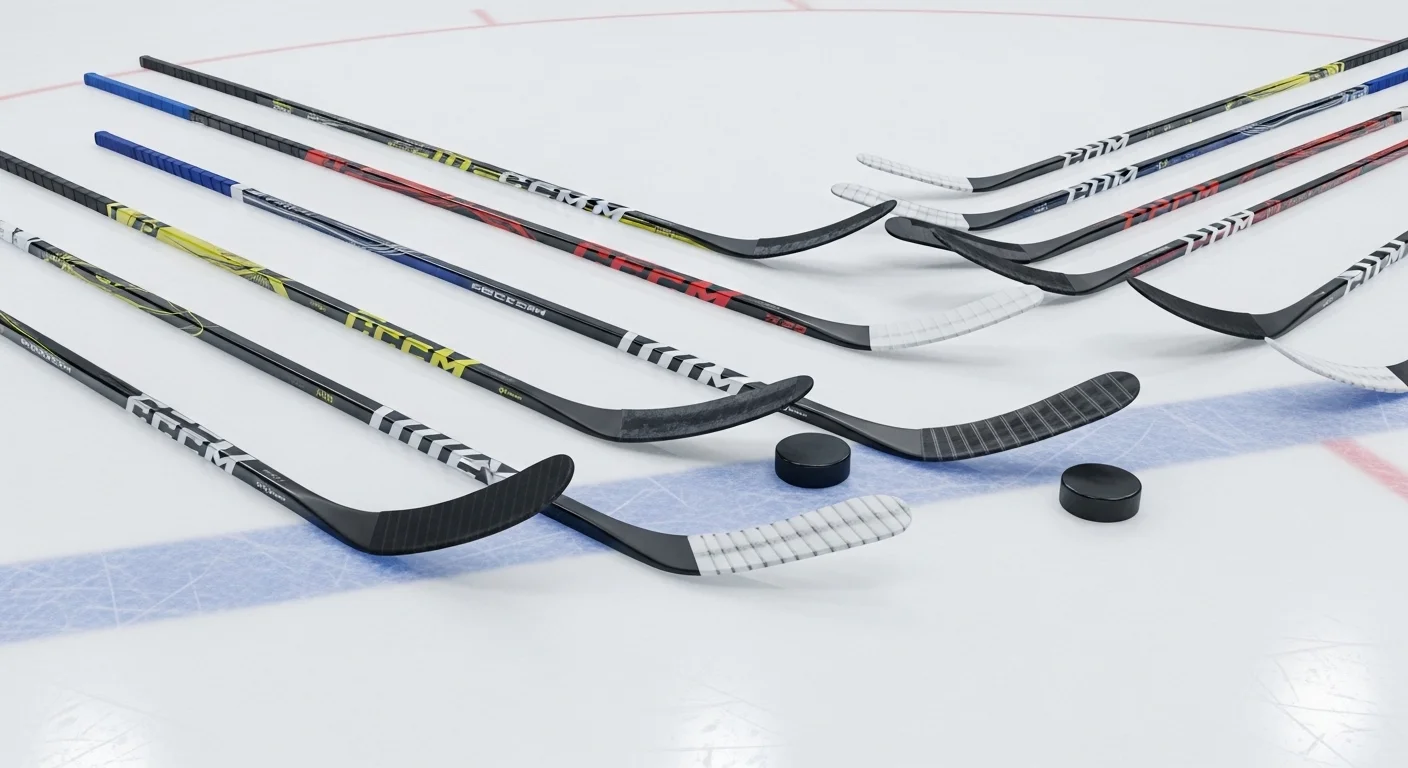
Choosing the right sticks for hockey can significantly improve your performance on the ice or field. Whether you are learning basic stick handling or looking to enhance your shooting power, understanding the differences between types, sizes, and materials is essential for every player. This guide will help you select the perfect stick for your needs.
Understanding Hockey Sticks and Their Purpose
Hockey sticks are not just tools; they are extensions of your playing style. Ice hockey sticks are designed for speed and quick release, while field hockey sticks focus on control and durability. Knowing how these sticks are designed and what they offer is the first step toward improving your game.
Exploring Different Types of Hockey Sticks and Their Uses
Ice Hockey Sticks
Ice hockey sticks are lightweight, often made from composite materials. They allow better flexibility, faster shots, and improved puck control, making them ideal for players who rely on quick maneuvers.
Field Hockey Sticks
Field hockey sticks are slightly heavier and shaped differently to manage ball handling on grass or turf. They offer stability and precision, which is essential for passing and dribbling.
Comparing Composite and Wooden Hockey Sticks
Composite sticks are popular for their balance, light weight, and shot power. Wooden sticks are more affordable and durable, making them suitable for beginners or casual players.
How to Choose the sticks for hockey
Determining the Ideal Stick Length for Better Control
The correct stick length improves balance and handling. Sticks that are too long reduce control, while shorter sticks improve maneuverability but limit reach.
Understanding Flex and How It Impacts Your Game
Flex measures how much the stick bends during a shot. Beginners benefit from lower flex for easier handling, whereas advanced players can use higher flex for stronger shots.
The Importance of Kick Point and Shot Release
Kick point affects how energy transfers during a shot. Low kick sticks provide fast release, mid kick sticks offer a balance of power and accuracy, and high kick sticks are best for slap shots.
Blade Curve and Lie Angle for Improved Accuracy
The curve of the blade influences puck or ball control, while the lie angle determines how the blade sits during play. Choosing the right combination enhances both shooting and passing.
Choosing the Correct Hockey Stick Size for Different Age Groups
Selecting the proper size ensures comfort and efficiency. Youth sticks suit children, junior sticks are ideal for teenagers, and senior sticks are designed for adults. A simple tip is to select a stick that reaches between your chin and nose while standing upright.
Top Hockey Stick Recommendations for 2026
Best Overall Hockey Stick
A stick with good flex and a lightweight design works well for most players seeking versatility and control.
Best Hockey Sticks
For those just starting, affordable options with medium flex provide durability and easier learning.
Best Budget Hockey Sticks
Budget-friendly sticks allow new players to get reliable performance without high costs.
Lightweight Hockey Sticks
Advanced players often prefer lightweight sticks to enhance stick handling, speed, and maneuverability.
Hockey Sticks Optimized for Quick Release Shots
Players relying on fast shots should choose low kick sticks for quicker energy transfer and better shot timing.
Comparing Different Hockey Sticks to Make an Informed Choice
Evaluating Wood and Composite Hockey Sticks
Wood sticks are durable and cost-effective, while composite sticks offer advanced performance features.
Understanding the Differences Between Low Kick and Mid Kick Sticks
Low kick sticks favor fast releases, whereas mid kick sticks strike a balance between control and power.
Choosing Between Premium and Budget Hockey Sticks
Premium sticks use high-quality materials for better performance, but budget sticks can meet the needs of beginners effectively.
Best Hockey Stick Brands
Brands such as Bauer, CCM, and Warrior are highly regarded in both professional and amateur leagues. They offer a wide variety of sticks that cater to different play styles and skill levels.
Common Mistakes Players Make When Selecting Hockey Sticks
Many players select sticks based on price alone or ignore the importance of flex and length. Failing to match a stick to your skill level or play style can reduce effectiveness. Choosing wisely ensures better gameplay and longer stick lifespan.
Tips for Maintaining Your Hockey Stick for Longevity
Proper care can extend the life of your equipment. Store sticks in dry areas, avoid excessive bending, and replace them when cracks or significant wear appear. Regular cleaning of the blade also keeps performance consistent.
FAQs
What flex is recommended for beginners and advanced players?
Beginners benefit from lower flex for easier control, while experienced players can use higher flex for more powerful shots.
Which hockey stick is suitable for new players?
Medium flex composite sticks are ideal for learning players, providing balance, durability, and control.
What types of sticks do professional players prefer?
Most professionals opt for lightweight composite sticks optimized for quick releases, precision, and comfort.
Final Thoughts
Selecting the right hockey stick depends on skill level, play style, and budget. Understanding length, flex, materials, and blade design allows you to make an informed decision. A carefully chosen stick enhances control, power, and overall confidence, whether you are a beginner or a seasoned player.