Introduction
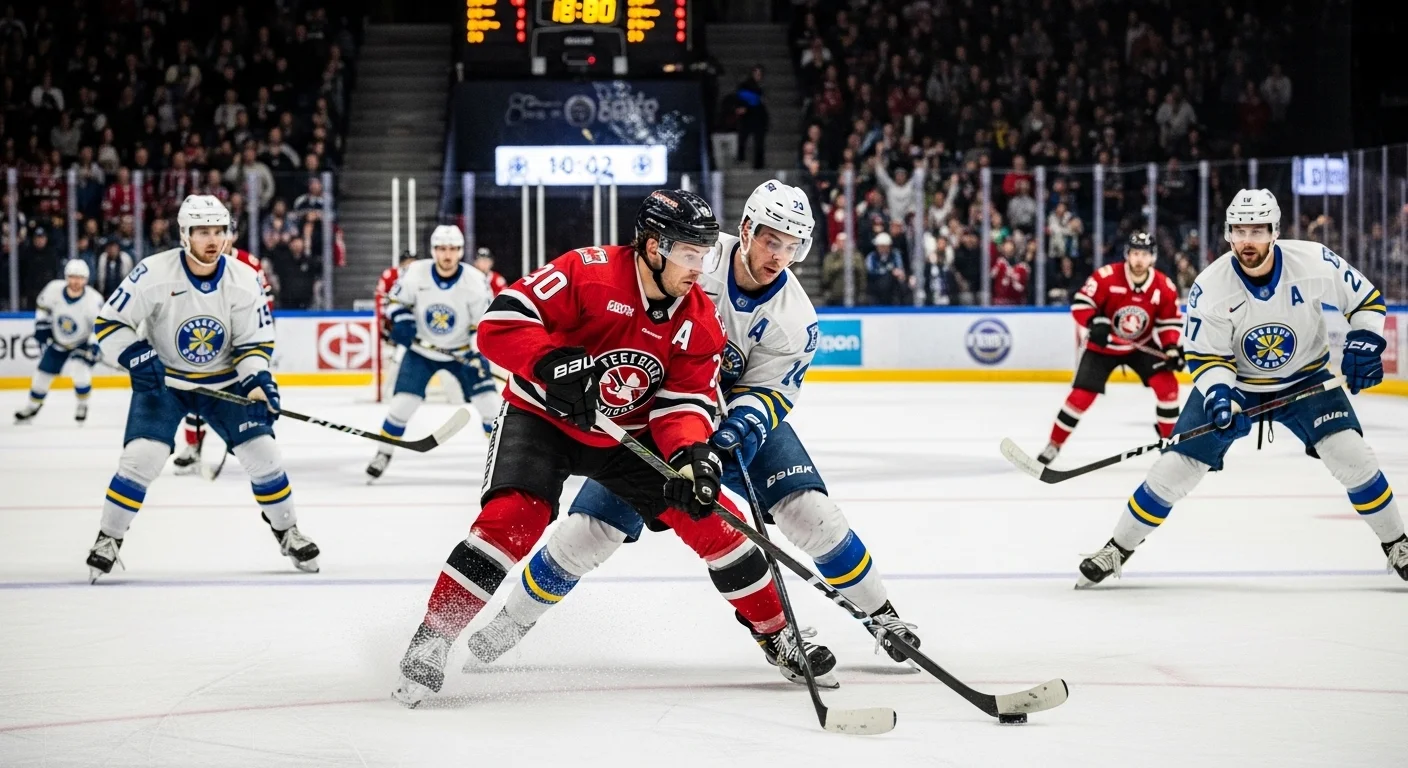
Hockey is an exciting sport, but for those who are new to the game, one of the most common questions is: How long does the hockey game last? Whether you’re planning to attend a match or watching from home, understanding the total duration of a hockey game can help you manage your time better.
At first glance, hockey seems simple enough, with three periods of 20 minutes each. However, in reality, games often last much longer. In this article, we’ll break down everything you need to know about hockey game duration, including regulation time, intermissions, stoppages, and overtime.
Standard Structure of a Hockey Game
Regulation Time Explained
In a standard hockey game, regulation time consists of three periods, each lasting 20 minutes. This gives a total of 60 minutes of playtime. However, these 60 minutes are only a part of the equation.
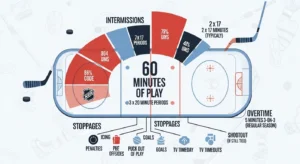
During the game, the clock runs only when the puck is in play. The clock stops for various reasons such as goals, penalties, injuries, and other stoppages. While the official clock shows 60 minutes, the actual duration of the game is generally longer due to these interruptions. The game typically runs around 2.5 to 3 hours, depending on stoppages and intermissions.
Intermissions
Hockey games also feature intermissions, which occur between periods. These breaks are typically 15 to 18 minutes long in the NHL and other professional leagues. During these intermissions, teams have time to regroup, make strategic adjustments, and prepare for the next period. Fans often enjoy entertainment or concessions during this time. While it’s not part of the active gameplay, intermissions are essential for the overall game experience.
Why Hockey Games Last Longer Than 60 Minutes
Stoppages During Play
While hockey’s regulation time is 60 minutes, stoppages during play extend the game. There are various types of stoppages, including:
-
Goals: After a goal is scored, the clock stops for the puck drop.
-
Penalties: When players are penalized, play is paused to serve the penalty.
-
Injury Timeouts: If a player gets injured, there is a stoppage in play to ensure their safety.
-
Video Reviews: Increasingly, coaches challenge calls, leading to video reviews that can delay the game by several minutes.
These stoppages can accumulate, adding significant time to the overall duration of a game.
Commercial & Media Breaks
In professional leagues like the NHL, commercial breaks also contribute to the game’s length. These breaks occur during intermissions and timeouts. Television networks have time slots to fill, and advertisers use these breaks to show commercials. These commercial timeouts typically last around 2 to 3 minutes, but they add up over the course of the game, especially in televised matches.
What a Typical Hockey Game Duration Looks Like
So, how long does the hockey game last in total? On average, NHL games last about 2.5 to 3 hours. This includes the three periods of 20 minutes each, the intermissions, stoppages, and the possible overtime.
A typical game time breakdown might look something like this:
| Component | Time |
|---|---|
| Regulation Time | 60 minutes |
| Intermissions | 30-36 minutes |
| Stoppages & Timeouts | ~30 minutes |
| Overtime (if applicable) | 5-20 minutes |
Overtime & Tiebreakers
NHL Overtime Rules
In the regular season, if the score is tied after the three periods, the game moves into overtime. Overtime in the NHL is a 5-minute sudden-death period, where the first team to score wins. If the game is still tied after overtime, the match proceeds to a shootout. The shootout can add 10–15 minutes to the game duration, depending on how many rounds are needed.
Playoffs Overtime — Sudden Death
Playoff games, however, do not use shootouts. If a game is tied after regulation time, the teams play 20-minute sudden-death overtime periods until a winner is determined. This format ensures that the game can last significantly longer than a regular-season match, sometimes stretching into multiple overtime periods.
Variations by League and Level of Play
Professional vs Amateur
The length of hockey games varies significantly by league. While professional games like the NHL typically last 2.5 to 3 hours, amateur and youth games are often shorter due to different game rules and less frequent stoppages. For example, a youth hockey game may last around 1.5 to 2 hours, as the periods are often shorter, and the rules are simplified.
International Hockey Formats
Different countries and international tournaments also have slightly different formats for game length. In Olympic ice hockey, teams play 15-minute intermissions and slightly shorter overtime periods. The rules and game duration can vary depending on the league or the country hosting the competition.
Historically Interesting Cases
Longest Hockey Games Ever Played
Hockey has seen its fair share of marathon games. One of the longest games in NHL history was the 5-hour, 30-minute game between the Detroit Red Wings and the Montreal Maroons in 1936. Games like this show that overtime, in rare cases, can extend game duration far beyond the typical 3 hours.
Planning for a Hockey Game
How to Plan Your Time Around Hockey Games
If you’re planning to attend a live hockey game, it’s important to keep in mind the total game time. If a game starts at 7:00 PM, it could easily finish by 9:30 PM, but if the game goes into overtime, you may not leave the arena until closer to 10:00 PM or later. Understanding this can help you plan your evening more efficiently.
Visual Aids You Should Include
To help readers better understand the structure and timing of a hockey game, consider including:
-
A duration comparison chart showing the breakdown of time spent on regulation, intermissions, stoppages, and overtime.
-
A timeline infographic depicting the typical flow of a hockey game.
FAQ Section
Q1: How long is a hockey game in the playoffs compared to the regular season?
Playoff hockey games tend to last longer due to the possibility of multiple overtime periods, while regular season games typically end within 2.5 to 3 hours.
Q2: Do all hockey games have overtime?
No, overtime is used only when a game is tied after regulation, typically in the regular season or in playoffs.
Q3: Why do hockey games seem longer than 60 minutes?
While the official playing time is 60 minutes, stoppages, intermissions, and overtime contribute to a longer total game duration.
Conclusion
So, how long does the hockey game last? In general, expect a hockey game to last about 2.5 to 3 hours, including the breaks, stoppages, and possible overtime. Understanding the structure of the game, including regulation time, intermissions, and overtime rules, can help you plan for watching a game, whether at home or in the arena.
Whether you’re watching your first game or your hundredth, knowing the game length helps you enjoy the full experience, from the opening faceoff to the final buzzer.